
Why Your Dark Spots Aren’t Fading (And What Actually Works)
Dark spots can be surprisingly stubborn. You may spend weeks applying brightening serums, carefully avoiding the sun, and following a skin care routine that seems perfect on paper, only to look in the mirror and wonder whether the discoloration has changed at all. In some cases, the spot even seems to disappear slightly before becoming noticeable again. If you have been asking yourself why dark spots won’t fade despite everything you are doing, the explanation often has less to do with finding one magical product and more to do with understanding what is actually causing the discoloration.
Hyperpigmentation is not a single condition, which is one reason treatments that work well for one person can accomplish very little for someone else. Sun exposure, acne, inflammation, hormonal changes, medications, skin injuries, and certain dermatologic conditions can all leave areas of excess pigment behind. The depth of that pigment also matters because discoloration closer to the surface of the skin may respond differently than pigment located deeper within it.
Knowing what you are treating is therefore the first step toward knowing how to get rid of dark spots effectively. When over-the-counter products have stopped producing results, a dermatologist can determine why the discoloration is lingering and recommend treatment based on the cause, depth, location, and characteristics of the pigment rather than relying on trial and error.
Not Every Dark Spot Is the Same
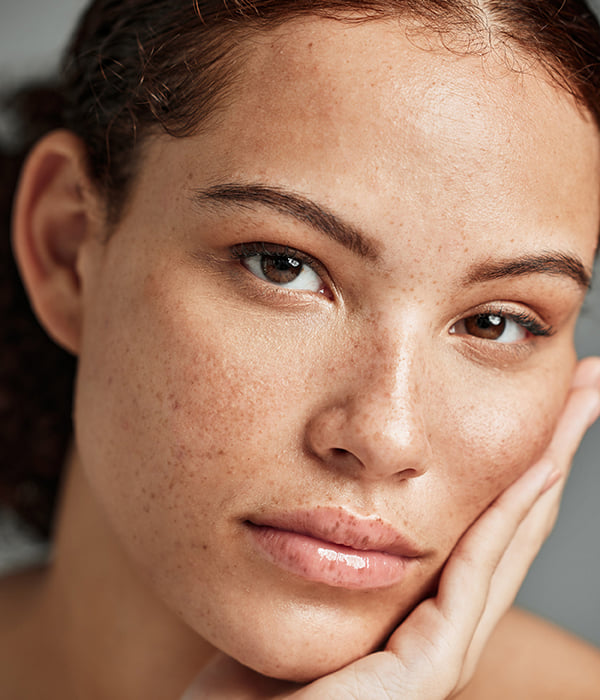
The term “dark spot” can describe several different types of pigmentation. Post-inflammatory hyperpigmentation, for example, develops after the skin experiences inflammation or injury, which commonly occurs after acne, insect bites, eczema, cuts, burns, or irritation. Once the original problem settles down, excess melanin can remain behind and create a brown, gray, or darker patch.
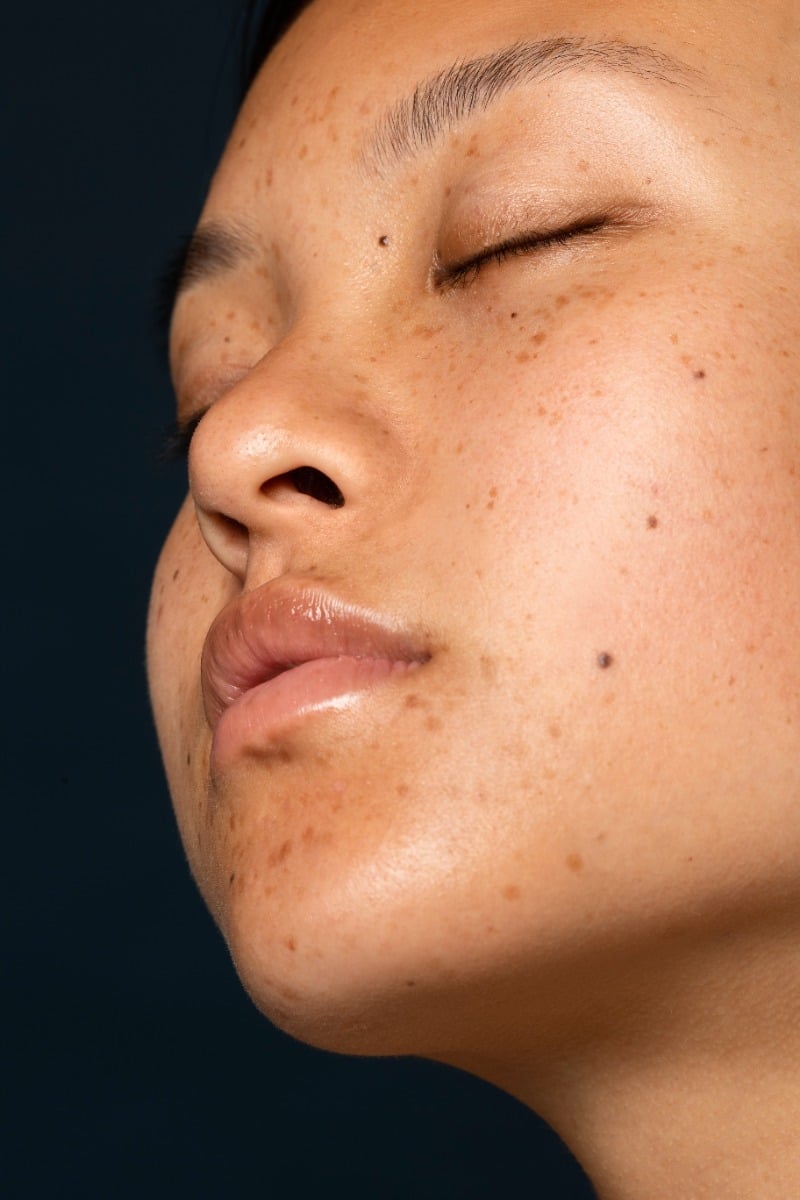
Sun spots, sometimes called solar lentigines, develop after years of ultraviolet exposure and often appear on areas that receive regular sunlight, including the face, hands, shoulders, and arms. Melasma is different again, usually appearing as larger, irregular patches that frequently develop on the cheeks, forehead, upper lip, or other areas of the face.
Because these conditions have different underlying causes, using the same brightening cream for every form of pigmentation may lead to disappointing results. Dermatologic evaluation can help distinguish ordinary hyperpigmentation from other skin conditions while making it easier to select a treatment that matches what is happening within the skin.
Why Do Dark Spots Take So Long to Fade?
Skin pigmentation develops when cells called melanocytes produce melanin, the pigment responsible for much of the color in your skin, hair, and eyes. When inflammation, sunlight, hormones, or another trigger stimulates those cells, they can produce more pigment than the surrounding skin, creating a visible area of discoloration.
Pigment near the skin’s surface may gradually become less noticeable as skin cells naturally turn over, although this process takes time. Pigment located deeper in the skin can be considerably more persistent because it is not simply removed as the outermost layers of skin shed. This helps explain why some marks fade in a few months while others remain visible much longer.
Your natural skin tone can also influence how hyperpigmentation develops and resolves. People with darker skin tones may experience more pronounced or persistent post-inflammatory pigmentation because melanocytes can respond strongly to inflammation, making careful treatment particularly important.

Your Skin May Still Be Making New Pigment
Sometimes the problem is not that treatment has failed to lighten an existing spot. The skin may simply continue receiving signals that tell it to produce additional pigment, which can make progress difficult to see.
Repeated sun exposure is one of the most common reasons this happens. Even relatively small amounts of ultraviolet exposure can stimulate melanocytes, especially when the skin is already prone to hyperpigmentation. Visible light may also contribute to certain pigmentation conditions, particularly melasma, making consistent protection an important part of treatment.
Inflammation can create a similar cycle. If acne continues developing, for example, each new breakout has the potential to leave another mark. Treating only the discoloration without controlling the acne means that old spots may gradually lighten while new ones continue appearing.
Why Do Dark Spots Keep Coming Back?
Recurring pigmentation often means the trigger behind it is still present. Melasma is a good example because hormones, sunlight, heat, and other environmental factors may contribute to recurring discoloration even after treatment has produced noticeable improvement.
Post-inflammatory hyperpigmentation can also return whenever the skin becomes irritated again. Picking at blemishes, aggressive exfoliation, harsh skin care products, or repeated friction may cause enough inflammation to create new pigmentation, particularly in skin that naturally develops dark marks easily.
Successful hyperpigmentation treatment therefore frequently involves two goals at the same time: fading existing pigment and reducing whatever is encouraging the skin to produce more of it.
Your Skin Care Routine Might Be Working Against You
More skin care does not necessarily mean faster results. When dark spots refuse to fade, it can be tempting to combine exfoliating acids, retinoids, scrubs, brightening products, and several active ingredients in the hope that stronger treatment will produce stronger results.
Too much irritation can have exactly the opposite effect. Inflamed skin may respond by producing additional pigment, potentially making discoloration darker or creating new patches around the area being treated. This is especially important for people who develop post-inflammatory hyperpigmentation easily.
A dermatologist can help simplify a routine when necessary, identifying which ingredients are worth keeping and which may be unnecessarily irritating your skin. A carefully designed regimen is usually more useful than continuously adding new products.
Over-the-Counter Products Have Their Limits
Many nonprescription ingredients can help improve mild hyperpigmentation. Products containing vitamin C, niacinamide, azelaic acid, retinoids, and certain exfoliating acids may gradually improve uneven pigmentation, depending on the cause and the formulation being used.
The difficulty comes when stubborn dark spots on the face involve deeper pigmentation, ongoing melanin production, melasma, significant sun damage, or another condition that requires more targeted treatment. Cosmetic products are also available in widely varying strengths and formulations, meaning two products advertising similar ingredients may not necessarily produce comparable results.
If your dark spots are not responding to creams after consistent use, continually switching products may not solve the underlying problem. At that point, determining exactly what type of pigmentation you have can be far more productive than purchasing another serum.
Sunscreen is sometimes viewed as something separate from hyperpigmentation treatment, when in reality it can be one of the most important parts of preventing discoloration from becoming darker. Treatments designed to fade pigment have a difficult job if ultraviolet exposure continues stimulating the same pigment-producing cells.
Daily broad-spectrum sunscreen helps protect the progress you are making with other treatments. Hats, shade, and other forms of sun protection can provide additional help, particularly when you expect prolonged outdoor exposure.
Consistency matters more than relying on sunscreen only when you plan to spend the day outside. Everyday exposure through normal activities can add up, which is why dermatologists commonly make sun protection part of a broader plan for managing discoloration.
When drugstore products are not producing enough improvement, prescription medications can provide additional options. Depending on the type of hyperpigmentation, a dermatologist may recommend prescription-strength retinoids, hydroquinone, azelaic acid, combination formulations, or other medications intended to reduce pigment production and encourage more even skin tone.
Hydroquinone has been used for many years to treat certain forms of hyperpigmentation because it interferes with melanin production. It is not necessarily appropriate for every patient or for indefinite unsupervised use, however, which is one reason professional guidance becomes valuable when stronger treatment is needed.
Prescription therapy may also address the condition creating the pigmentation in the first place. Someone developing marks from acne, for example, may benefit considerably more from treating both active breakouts and existing discoloration than from focusing exclusively on fading old spots.
Professional chemical peels use carefully selected acids to remove controlled layers of damaged or pigmented skin, encouraging new skin to replace the treated surface. Depending on the strength and type of peel, treatment may improve superficial discoloration, uneven texture, acne-related marks, and certain forms of sun damage.
Professional supervision matters because stronger is not always better when pigmentation is involved. An overly aggressive peel can cause inflammation, which may worsen hyperpigmentation rather than improve it, especially in skin tones that are prone to developing pigment after irritation.
A dermatologist can select the type and strength of peel based on your skin, your pigmentation pattern, and the amount of downtime that is appropriate for your treatment goals.
Lasers and other energy-based devices can be highly effective for certain types of pigmentation because they allow dermatologists to target pigment more directly than topical treatments alone. Specific devices may be used for sun spots, uneven pigmentation, or other cosmetic concerns after the skin has been carefully evaluated.
These treatments require thoughtful patient selection. Different wavelengths interact with pigment differently, and some devices may carry a greater risk of post-treatment pigmentation in certain skin tones. Treating melasma can be particularly complicated because aggressive energy treatments may sometimes trigger additional pigmentation rather than providing lasting improvement.
The best dermatologist treatment for dark spots is therefore not automatically the strongest laser available. The better approach is choosing a treatment based on the specific pigmentation, the patient’s skin characteristics, and the likelihood of obtaining improvement without creating unnecessary irritation.
Hyperpigmentation frequently responds best when several parts of the problem are addressed together. A treatment plan might combine sun protection with topical medication, for example, while also incorporating a chemical peel or another in-office procedure when appropriate.
Combination treatment can be particularly helpful because different therapies may affect different stages of pigmentation. One treatment may reduce melanin production, another may increase skin turnover, and another may target accumulated pigment that has already become visible.
Dermatologists can also adjust the treatment plan as the skin changes. A medication that is useful during the first stage of treatment may eventually be reduced or replaced, while maintenance strategies can help protect the improvement that has already been achieved.
Patience Still Matters, Even With Professional Treatment
Professional treatment can improve stubborn pigmentation, although dark spots rarely disappear overnight. Skin needs time to respond, existing pigment must gradually clear, and new pigment production must remain controlled long enough for visible changes to accumulate.
Trying to speed up this process by using more medication than recommended or aggressively exfoliating the skin can backfire. Irritation may interrupt progress, particularly when inflammation itself is one of the reasons pigmentation developed.
Setting realistic expectations is therefore part of good treatment. Your dermatologist can explain what type of improvement is reasonable, approximately how treatment may progress, and when the plan should be adjusted if your skin is not responding as expected.
When Should You See a Dermatologist About Dark Spots?
You do not need to wait until you have tried every product on the skin care aisle before asking a dermatologist about discoloration. Professional evaluation can be helpful when pigmentation has remained unchanged for months, continues returning, covers a large area, or has not responded to a consistent home routine
An examination is also important when a spot is changing in size, shape, color, or texture, or when you are uncertain whether you are actually looking at hyperpigmentation. Not every dark mark is simply a cosmetic pigment problem, which makes a proper diagnosis particularly valuable before beginning stronger treatments.
Dermatology care can also save you from spending months cycling through products that were never likely to address your specific type of discoloration.
Find a Hyperpigmentation Treatment That Fits Your Skin
Benson Dermatology can evaluate stubborn dark spots on the face and other areas of the skin, determine what may be contributing to the discoloration, and develop a treatment plan based on your individual needs. From prescription skin care to professional procedures, the right approach can move treatment beyond endless experimentation and toward measurable improvement.
If creams, serums, and home remedies have taken you as far as they can, schedule a consultation with Benson Dermatology to learn which hyperpigmentation treatment options may be appropriate for your skin and what can be done to help you achieve a clearer, more even-looking complexion.
Footer Navigation


Areas Served
Our Services
Our Practice
*Individual results may vary. Photography contains a mix of actual patients and stock photography. Testimonials are from actual patients.