
The Best Acne Treatments That Actually Work
Acne looks simple on the surface, yet it usually shows up as a mix of clogged pores, inflammation, bacteria shifts, and hormone signals that nudge oil glands into overdrive. Whiteheads and blackheads tend to come from clogged follicles, while red bumps and painful cysts point to deeper inflammation. Body acne often needs a slightly different strategy because the skin is thicker and friction from clothing can keep follicles irritated. When you match your treatment to the type of breakout you have, results come faster and your skin stays calmer.
A surprising number of “acne failures” are really diagnosis issues, because fungal folliculitis, perioral dermatitis, and rosacea can mimic acne and get worse when you throw random acne products at them. Skin tone also influences what “healing” looks like, since post-inflammatory dark marks can linger long after the breakout is gone. If your acne stings, itches, or flares in tight clusters that do not respond to standard products, a dermatologist visit can save months of trial and error. Benson Dermatology can help you sort out what is actually happening so you treat the right problem from day one.
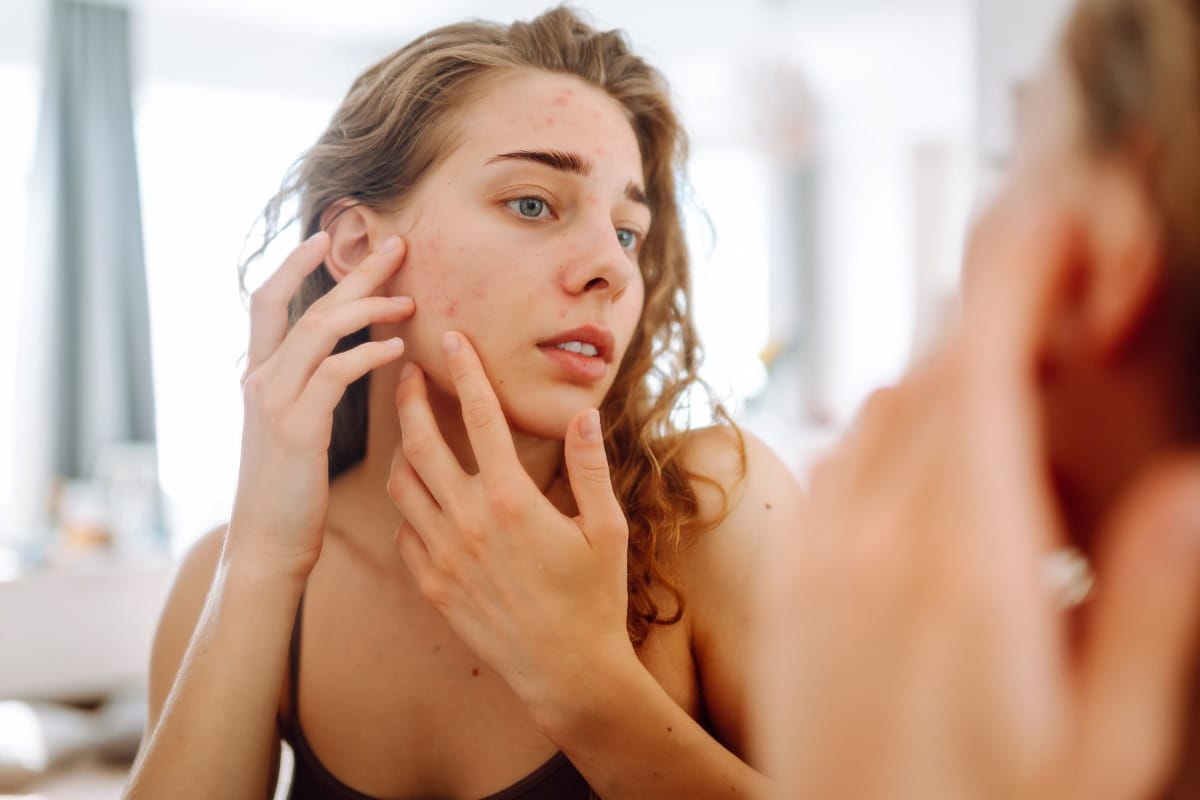
The Routine That Makes Every Acne Treatment Work Better
Great acne treatment is rarely about owning ten products, because consistency beats novelty almost every time. A gentle cleanser twice daily, a noncomedogenic moisturizer, and daily sunscreen create the stable base that lets active ingredients do their job without wrecking your barrier. When skin gets overly dry or irritated, it compensates with more oil and inflammation, which can look like “purging” even when it is just irritation. Keeping your baseline routine simple makes it easier to tell what is working and what is setting you back.
Application details matter more than most people think, because acne medications are “dose dependent” in real life. Using a pea-sized amount for the whole face, applying to dry skin, and easing into actives a few nights per week can reduce flaking while still moving the needle. Spot treating sounds logical, yet acne forms under the surface before you see it, which is why prevention-style application often outperforms chasing individual pimples. If your routine feels like a daily battle, the plan probably needs adjustment, not more willpower.
Benzoyl Peroxide Is Still the MVP for Inflamed Breakouts
Benzoyl peroxide is one of the most dermatologist-recommended acne treatments because it reduces acne-causing bacteria and calms inflammation without the same resistance issues seen with antibiotics. It tends to shine for angry red bumps, pustules, and flare-prone areas like the jawline, back, and chest. Lower strengths can work just as well as higher ones for many people, while causing less dryness, which makes long-term use easier. Consistent use often improves the overall “heat” of acne, even when clogged pores still need another ingredient.
Irritation is the main reason people quit benzoyl peroxide too soon, even though the fix is usually simple. Start a few times per week, moisturize, and consider a short-contact method where you apply it for a few minutes and rinse if your skin is sensitive. Fabric bleaching is real, so white towels and caution around collars can prevent frustration. If you keep breaking out despite solid benzoyl peroxide use, a dermatologist can decide whether you need a retinoid, hormonal support, or prescription options layered in.
Salicylic Acid Helps When Clogged Pores Keep Coming Back
Salicylic acid is a classic choice for blackheads, whiteheads, and texture because it is oil-soluble, which helps it move into the pore lining. People who describe acne as “little bumps everywhere” often do well with a leave-on salicylic acid product a few times per week. It also pairs nicely with gentle cleansing and hydration, since stripping the skin can make congestion worse over time. The goal is steady exfoliation, not a stinging face and a squeaky-clean feeling.
Overdoing salicylic acid is easy, especially if you stack a cleanser, toner, and spot treatment without realizing you are tripling the dose. Dryness can trigger more irritation and more picking, which then increases dark marks and prolonged redness. A smart approach is to choose one salicylic acid product, use it consistently, and give it several weeks before judging results. If your acne is primarily inflammatory or cystic, salicylic acid alone might not be strong enough, which is where a customized plan at Benson Dermatology can help.
Topical Retinoids Are the Long Game That Pays Off
Retinoids are often the backbone of an effective acne plan because they keep pores from clogging and support smoother, more even skin over time. Over-the-counter adapalene is a common starting point, while prescription tretinoin or other retinoids may be recommended for persistent acne. Retinoids can also improve the look of post-acne marks and early scarring by encouraging healthier skin turnover and collagen support. The trade-off is patience, because the best results show up after consistent use, not after one weekend.
Early retinoid irritation is predictable, which means it can be managed instead of feared. Apply moisturizer first if you are sensitive, start every third night, and increase slowly as your skin adapts. Sun protection matters, since irritated skin is more likely to discolor, especially if you pick at flakes or skip sunscreen. Pregnant women should discuss retinoid use with their physician, because many retinoids are not recommended during pregnancy.
Azelaic Acid and Niacinamide Offer Results Without the Drama
Azelaic acid is a strong option when you want acne control plus help with redness and post-acne dark marks, especially for sensitive skin. It can reduce inflammation, support a more even tone, and play well with other acne treatments when introduced thoughtfully. Many people who cannot tolerate aggressive routines find azelaic acid gives them steady progress without the burning and peeling that triggers setbacks. This ingredient can be especially helpful if your acne is mixed with redness that makes your skin look “constantly irritated.”
Niacinamide is another dermatologist favorite because it supports the skin barrier, reduces visible oiliness, and can calm the look of irritated skin. It is not usually a stand-alone acne cure for moderate to severe breakouts, yet it often makes your core treatments easier to tolerate. When your barrier is strong, you can stay consistent with the ingredients that truly change acne, like retinoids and benzoyl peroxide. If your routine feels harsh, swapping in barrier-friendly support can be the difference between quitting and finally improving.
Hormonal Acne in Women Has Real Solutions
Hormonal acne often shows up as chin and jawline breakouts, deep tender bumps, and flares that track with menstrual cycles. Skincare alone can help, yet hormonal patterns frequently require hormonal tools to get durable control. Spironolactone is a common dermatologist option for women with hormonal acne, since it can reduce oil production and calm recurring cystic breakouts. Oral contraceptives can also be part of a treatment plan for the right patient, depending on medical history and goals.
Hormonal treatment is not about chasing perfection, because it is about reducing the cycle of flare, scarring, and frustration. Many women notice that when hormones are addressed, their topical routine suddenly starts working better because the “fuel source” behind breakouts is lower. Results still take time, and dose adjustments can be part of the process, which is why medical guidance matters. Benson Dermatology can help you weigh benefits, risks, and expectations so you choose an approach you can stick with confidently.
In-Office Treatments Add Speed and Precision
Professional treatments can accelerate results, especially when acne is stubborn or when you need help with congestion that does not budge. Chemical peels, for example, can support clearer pores and a smoother texture when used as part of a broader plan, not as a one-time fix. Extractions done properly can remove comedones without the trauma that comes from squeezing at home. In-office care is also useful for body acne, since the back can be difficult to treat consistently on your own.
Light-based and energy-based treatments can be helpful for certain patients, especially when inflammation is a major issue or when acne leaves stubborn redness. These options are not magic on their own, yet they can complement topical and oral medications in a way that shortens the time to visible improvement. The right choice depends on acne type, skin tone, and sensitivity, which is why “the best acne treatment” is often a combination rather than a single product. A dermatologist-guided plan turns these tools into a coordinated strategy instead of a series of expensive guesses.
Acne Scars and Dark Marks Need a Different Plan
Acne scars form when inflammation damages deeper skin structures, while dark marks and redness are often pigment and vascular changes that fade more slowly than you want. Treating active acne first is usually the priority, because scar treatments are less effective when new breakouts keep injuring the skin. Once acne is controlled, options like microneedling, resurfacing lasers, subcision, and targeted peel techniques can improve texture and soften scar edges. The best approach depends on whether scars are rolling, icepick, boxcar, or mixed.
Post-acne dark marks respond well to sun protection, gentle brightening ingredients, and time, yet the process can be faster with a dermatologist-guided regimen. Picking and aggressive scrubbing tend to worsen discoloration, particularly in deeper skin tones, because inflammation signals pigment cells to overreact. A steady routine with retinoids, azelaic acid, and consistent sunscreen often improves tone while also keeping new acne under control. Benson Dermatology can build a plan that treats both breakouts and the marks they leave behind, which helps your skin look clearer in a way that feels obvious in real life.
How Long Does It Take for Acne Treatments to Work?
Most acne treatments need weeks, not days, because you are changing how pores behave over time rather than flipping a switch. Many people see early improvements in oiliness or inflammation within a few weeks, while clogged pores and texture often take longer to smooth out. Retinoids and pigment improvement can keep progressing over several months, which is why consistent use matters more than constant product switching. Tracking progress with occasional photos can help you notice improvements that are easy to miss day to day.
A realistic timeline also protects your motivation, because the first month is often about stabilizing irritation and building a routine you can maintain. If you experience severe burning, swelling, or worsening rash, treatment should be adjusted rather than pushed through. Steady improvement is the goal, even if it comes in waves, since acne rarely disappears in a perfectly straight line. A dermatologist visit can shorten the timeline by choosing the right combination early and removing the guesswork that slows most people down.
Ready for a Clearer Plan With Benson Dermatology?
Benson Dermatology can help you identify your acne type, build a routine that you can actually follow, and choose treatments that work for your skin tone and sensitivity level. The goal is fewer breakouts, less irritation, and a plan that makes progress month after month instead of starting over every season. If you are tired of guessing, schedule a visit with Benson Dermatology and get a dermatologist-guided roadmap to clearer, healthier skin. Your next routine can be simpler, smarter, and built to work.


Areas Served
Our Services
Our Practice
*Individual results may vary. Photography contains a mix of actual patients and stock photography. Testimonials are from actual patients.