
Top Causes of Hair Loss and When to See a Dermatologist
Hair loss can feel personal in a way that catches many people off guard. A few extra hairs in the shower may not seem like much at first, yet once thinning becomes noticeable around the hairline, part line, temples, or crown, it can quickly become stressful. Since hair naturally sheds every day, the challenge is knowing when shedding is normal and when it may point to something that needs medical attention.
Benson Dermatology helps patients understand what may be causing their hair loss, whether it is temporary shedding, inherited thinning, scalp inflammation, hormonal changes, or another underlying issue. A dermatologist can evaluate your scalp, review your health history, and recommend treatment options based on the type of hair loss you are experiencing. The earlier you identify the cause, the better your chances may be of protecting existing hair and encouraging healthier growth.

How Much Hair Loss Is Normal?
Most people shed hair every day as part of the natural hair growth cycle. Losing around 50 to 100 hairs per day can be normal, especially when washing, brushing, or styling your hair. Since new hairs are usually growing in at the same time, this type of shedding does not typically create visible thinning. It becomes more concerning when shedding increases suddenly, lasts for several weeks, or leaves your hair feeling much thinner than usual.
Normal shedding can also fluctuate during different seasons, after stressful periods, or after changes in your routine. For example, you may notice more hair in the drain after wearing your hair tied back for long periods or after going several days without washing it. That does not always mean you are losing hair permanently. Still, when your hair volume changes noticeably, your part widens, or bare patches appear, it is worth taking the change seriously.
Hereditary hair loss, also called androgenetic alopecia, is one of the most common reasons people develop gradual thinning. In men, it often shows up as a receding hairline, thinning at the crown, or both. In women, it more commonly appears as widening along the part line or overall thinning across the top of the scalp. This type of hair loss usually develops slowly, although some people notice the change more suddenly once enough density has been lost.
Genetic hair loss happens because certain follicles become more sensitive to hormonal signals over time. As those follicles shrink, they produce finer, shorter hairs until growth becomes less noticeable. Since this process can continue without treatment, early evaluation can make a meaningful difference. A dermatologist can help determine whether your thinning pattern fits hereditary hair loss and discuss options that may help slow progression.
Stress-related hair loss often appears as increased shedding rather than bald patches or a sharply receding hairline. This condition, called telogen effluvium, can happen after the body experiences a major physical or emotional stressor. Illness, surgery, childbirth, rapid weight loss, high fever, major life changes, or intense emotional strain may push more hairs than usual into the resting phase. Several weeks or months later, those hairs may shed all at once.
This type of hair loss can be alarming because it may seem like handfuls of hair are coming out during washing or brushing. The good news is that stress-related shedding is often temporary once the trigger is addressed and the body returns to balance. However, it can overlap with other forms of hair loss, including genetic thinning, which makes an accurate diagnosis important. Benson Dermatology can help patients sort out whether shedding is likely temporary or part of a longer-term condition.
Hormones play a major role in hair growth, which is why hair changes are common after childbirth, during menopause, or with certain endocrine conditions. Postpartum shedding, for example, often occurs because estrogen levels drop after delivery, causing more hairs to move into the shedding phase. Menopause can also contribute to thinning as hormone levels shift and hair follicles become more sensitive to androgens. These changes can affect both hair thickness and the speed of regrowth.
Thyroid disorders may also cause diffuse hair shedding, especially when thyroid hormone levels are too high or too low. Since thyroid-related hair loss may come with fatigue, weight changes, temperature sensitivity, or changes in skin texture, a dermatologist may recommend lab work when the symptoms suggest a medical cause. Treating the underlying issue can often help improve hair health over time. The key is not assuming that hormonal hair loss is simply something you have to accept without evaluation.
Hair growth depends on steady nutritional support, and deficiencies can contribute to shedding or brittle, fragile strands. Low iron levels, low vitamin D, inadequate protein intake, crash dieting, and certain absorption problems may all affect the hair growth cycle. Since the body prioritizes essential organs over hair production during nutritional stress, hair can become one of the first places where imbalance shows up. This is especially common after rapid weight loss or restrictive eating patterns.
A dermatologist can help decide whether nutritional testing makes sense based on your symptoms, diet, medical history, and pattern of hair loss. It is important not to start large doses of supplements without guidance, because more is not always better and some supplements can cause problems when taken unnecessarily. Hair growth takes time, even after a deficiency is corrected, so patience is part of the process. Still, identifying a correctable cause can be a major step toward healthier regrowth.
A healthy scalp creates the foundation for healthy hair, and inflammation on the scalp can interfere with growth. Conditions like seborrheic dermatitis, psoriasis, eczema, folliculitis, and fungal infections may cause itching, flaking, redness, soreness, or scaling. While mild dandruff usually does not cause permanent hair loss, severe inflammation or repeated scratching can contribute to shedding and breakage. Certain infections may also cause patchy hair loss if they are not treated properly.
Scalp symptoms should not be ignored when they appear alongside thinning or shedding. If your scalp burns, itches intensely, develops crusted areas, or feels tender, a dermatologist should evaluate it. Treating inflammation may help reduce shedding, improve comfort, and protect the follicles from ongoing irritation. Benson Dermatology can diagnose scalp conditions and recommend treatment based on what is actually happening at the skin level.
Alopecia areata is an autoimmune condition that can cause round or oval patches of hair loss on the scalp, beard area, eyebrows, or other parts of the body. It happens when the immune system mistakenly targets hair follicles, causing hair to fall out in distinct areas. The skin in those patches may look smooth and normal, which can make the hair loss feel especially confusing. Some people develop only one small patch, while others experience more widespread loss.
Because alopecia areata can look different from person to person, a dermatologist’s evaluation is important. Treatment may help calm the immune activity around the follicles and encourage regrowth, especially when the condition is diagnosed early. Patients may also need ongoing monitoring because the condition can come and go. If you notice sudden, patchy hair loss, it is a strong reason to schedule a dermatology visit rather than waiting to see what happens.
Hair loss is not always caused by internal health issues. Tight ponytails, braids, buns, extensions, chemical relaxers, frequent bleaching, excessive heat styling, and aggressive brushing can all damage the hair or strain the follicles. Traction alopecia, which is hair loss caused by repeated pulling, often appears around the hairline, temples, or areas where tension is highest. If caught early, changing the hairstyle or reducing tension may help prevent permanent loss.
Breakage can also mimic hair loss because the hair looks thinner even though the follicles may still be producing hair. This can happen when the hair shaft becomes weak from heat, chemicals, friction, or overprocessing. A dermatologist can help distinguish between true shedding from the root and breakage along the strand. That distinction matters because the treatment plan may involve scalp care, hair care changes, medical therapy, or a combination of approaches.
Certain medications can contribute to shedding, although the effect varies widely from person to person. Some blood pressure medications, acne treatments, antidepressants, hormone-related medications, blood thinners, and other prescriptions have been associated with hair changes in some patients. Chemotherapy and radiation treatments are also well-known causes of hair loss, though the pattern and timing depend on the specific treatment. Since medications are often necessary, you should not stop taking anything without speaking with the prescribing provider.
A dermatologist can review your medication history and help determine whether timing suggests a possible connection. Sometimes the hair loss begins weeks or months after a medication change, which makes the link harder to spot without a careful review. In other cases, a medication may reveal or worsen an underlying tendency toward hair thinning. A coordinated approach helps protect your overall health while addressing the hair loss concern responsibly.
When Should You See a Dermatologist for Hair Loss?
You should consider seeing a dermatologist when hair loss is sudden, patchy, painful, itchy, or visibly changing the density of your hair. A widening part, thinning crown, receding hairline, bald spots, scalp redness, scaling, tenderness, or shedding that lasts longer than a few weeks can all be signs that an evaluation is needed. It is also smart to make an appointment if hair loss runs in your family and you are starting to see early changes. Waiting too long can allow some types of hair loss to progress further than necessary.
A dermatology visit is especially important when hair loss affects your confidence or daily life. Even when the cause turns out to be temporary, getting answers can reduce worry and help you avoid wasting time on products that may not match your condition. Hair loss treatments work best when they are chosen for the correct diagnosis. Benson Dermatology can help you understand what is happening and what steps may make the most sense for your situation.
What Happens During a Hair Loss Evaluation?
During a hair loss evaluation, your dermatologist will usually begin by asking when the shedding or thinning started, whether it happened suddenly or gradually, and whether you have noticed scalp symptoms. They may ask about recent illnesses, stress, childbirth, weight changes, diet, medications, family history, and hair care practices. This conversation matters because the story behind the hair loss often gives important clues. The timing, pattern, and triggers can help narrow down the possible causes.
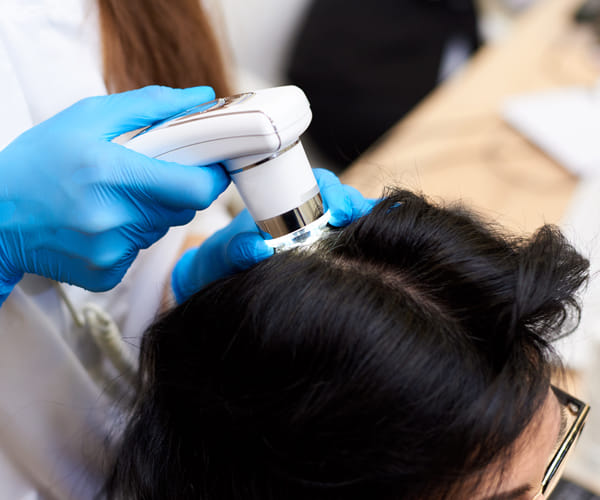
Your dermatologist may also examine your scalp closely to look for inflammation, scaling, miniaturized hairs, broken hairs, or distinct patterns of thinning. In some cases, lab work may be recommended to check for issues such as iron deficiency, thyroid imbalance, or other health factors. A scalp biopsy is not always needed, but it may be helpful when the diagnosis is unclear or when scarring hair loss is suspected. The goal is to build a treatment plan from evidence rather than guesswork.
Treatment Depends on the Cause
Hair loss treatment is not one-size-fits-all because different conditions affect the follicles in different ways. Hereditary thinning may call for treatments that help slow follicle miniaturization and support ongoing growth. Stress-related shedding may require identifying the trigger, supporting recovery, and monitoring regrowth over time. Scalp inflammation, infections, autoimmune conditions, and nutritional deficiencies each require a different approach.
This is why an accurate diagnosis matters more than grabbing the first product that promises thicker hair. Some over-the-counter treatments can help certain types of hair loss, yet they may do little for others, especially when inflammation, infection, or scarring is involved. A dermatologist can explain what is realistic, how long treatment may take, and what signs suggest progress. Since hair grows slowly, most plans require consistency and follow-up before results become clear.
Take Hair Loss Seriously Without Panicking
Hair loss can be frustrating, especially when you do not know whether it is temporary or progressive. The best response is not panic, guesswork, or ignoring it until the thinning becomes severe. A careful evaluation can help identify whether your hair loss is related to genetics, stress, hormones, nutrition, scalp health, medications, styling habits, or an autoimmune condition. Once the cause is clearer, your next steps become much easier to understand.
Benson Dermatology provides professional evaluation and care for patients dealing with shedding, thinning, bald patches, and scalp concerns. If you have noticed changes in your hair that worry you, scheduling a dermatology visit can help you get answers and avoid unnecessary delays. Hair loss is common, but that does not make it something you have to navigate alone. With the right diagnosis and treatment plan, you can take a more confident, informed approach to your hair and scalp health.


Areas Served
Our Services
Our Practice
*Individual results may vary. Photography contains a mix of actual patients and stock photography. Testimonials are from actual patients.